
Employment in the Oil Industry
The oil and gas industry remains a major part of the U.S. economy, providing jobs in exploration, drilling, production, transportation, refining and related services. While the industry is often associated with offshore drilling platforms and oilfield workers, it also employs engineers, geologists, equipment operators, skilled tradespeople, safety specialists and business professionals.
The United States is one of the world’s largest oil and natural gas producers, with major operations in Texas, New Mexico, North Dakota, Alaska and the Gulf of Mexico. Advances in horizontal drilling, hydraulic fracturing, automation and digital technologies have changed how oil and gas are discovered and produced. These developments have created opportunities for workers with a wide range of skills, from entry-level field positions to highly specialized technical careers.
Oil industry jobs can offer competitive wages and opportunities for advancement, although employment levels fluctuate with oil prices, production activity and overall energy demand. Many positions involve working outdoors, traveling to remote locations or following extended work schedules.
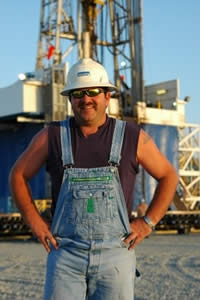
Some of the types of jobs include:
- Learn about Oil Exploration Jobs
- Learn about Oil Rig Jobs
- Learn about Petroleum Pipeline Jobs
- Learn about Oil Refinery Jobs
- Learn about Alaska Oil Jobs
- Learn about Oil Sands in Canada
- Learn about North Dakota Oil Jobs
- Learn about Barnett Shale Jobs
- Learn about Offshore Oil Rig Jobs
Visit OilJobFinder, we have over 15,000 Oil Industry Jobs
OIL INDUSTRY EMPLOYMENT OUTLOOK
The oil and gas industry continues to provide career opportunities across the United States, particularly in major producing regions. Texas remains the nation’s leading oil-producing state, with significant employment concentrated around Houston, the Permian Basin in West Texas and other energy-producing areas. New Mexico and North Dakota are also major centers of oil production, while Louisiana supports offshore drilling, refining and pipeline operations. Alaska, Oklahoma, Colorado and Wyoming offer additional opportunities.
According to the U.S. Bureau of Labor Statistics (BLS), employment of oil and gas workers is projected to grow 2 percent between 2025 and 2035, with approximately 9,900 job openings each year. Many of these openings will result from workers retiring or moving into other occupations. Employment of petroleum engineers is also projected to grow 2 percent during the same period.
Major companies operating in the U.S. oil and gas industry include ExxonMobil, Chevron, ConocoPhillips, Occidental Petroleum, EOG Resources, Devon Energy and Diamondback Energy. International companies such as Shell, BP, TotalEnergies and Saudi Aramco also play significant roles in global production and energy markets.
Employment opportunities depend heavily on oil and natural gas prices, drilling activity, technological developments and government policies. Although automation and improvements in drilling efficiency can reduce the number of workers needed for certain tasks, companies continue to need skilled employees to operate equipment, maintain facilities, manage production and support safe operations.
EDUCATION/TRAINING
Educational and training requirements vary considerably depending on the position. Many entry-level oilfield jobs, including roustabouts and certain equipment operator positions, require a high school diploma or equivalent, with most technical skills learned through on-the-job training. Mechanical aptitude, physical stamina and a willingness to work in demanding conditions are important qualifications for many field positions.
Skilled trades positions, including welders, electricians, mechanics and instrumentation technicians, may require vocational training, apprenticeships or professional certifications. Petroleum engineers typically need a bachelor’s degree in petroleum engineering or a related engineering field, while geologists and geoscientists generally need a degree in geology, geoscience or a related discipline.
Safety training is essential throughout the industry. Workers may receive instruction in hazardous materials, equipment operation, fire prevention, emergency response and hydrogen sulfide (H2S) awareness. Offshore personnel and workers in specialized positions may need additional safety training and certifications. Employers must also comply with applicable federal and state workplace safety regulations.
Experience can be particularly valuable in the oil and gas industry. Workers who develop technical skills, earn additional certifications and demonstrate strong safety practices may advance into supervisory, specialized technical or management positions.
SALARY
The oil and gas industry offers competitive wages, particularly for experienced equipment operators, skilled tradespeople, engineers and workers in specialized technical positions. Salaries vary considerably depending on the job, location, experience and whether the position involves offshore work, remote assignments or extended schedules.
According to the BLS, the median annual wage for oil and gas workers was $51,650 in May 2025. Median annual earnings for several common oilfield positions included:
- Rotary drill operators: $67,890
- Derrick operators: $58,620
- Service unit operators: $58,160
- Roustabouts: $46,960
Petroleum engineers earned a median annual salary of $144,910 in May 2025, with the highest-paid 10 percent earning more than $253,200. Within the oil and gas extraction industry specifically, petroleum engineers earned a median of $180,080. Workers in petroleum refinery operations and related technical positions can also earn substantial salaries.
Actual compensation may be higher for some workers because of overtime, bonuses, shift differentials and other employer-provided benefits. Remote and offshore positions may offer additional compensation, although these jobs can involve physically demanding work and extended periods away from home.
SUMMARY
The oil and gas industry offers a broad range of career opportunities, from entry-level drilling and production jobs to highly skilled engineering, technical and management positions. Many jobs provide competitive wages without requiring a four-year college degree, while specialized positions can offer substantial earning potential.
Major employment centers include Texas, New Mexico, North Dakota, Louisiana and Alaska, with additional opportunities in other U.S. producing regions and international markets. Although the industry’s employment outlook is influenced by energy prices, technological changes and the transition toward alternative energy sources, oil and natural gas continue to play important roles in the global economy.
For job seekers willing to work in challenging environments, develop specialized skills or relocate to major energy-producing regions, the oil and gas industry can provide rewarding career opportunities.
NEXT PAGE: Learn About Sports Industry Jobs
If you are interested in working in the oil industry, definitely check out our premium employment website OilJobFinder.